Carrie Fehr

Kitchen Garden Food

Category: Food

Roasted Peach Crêpes with Blueberry Compote

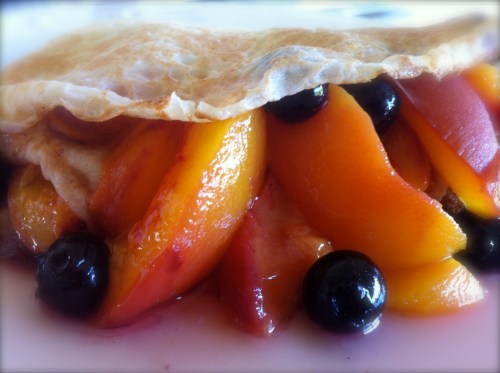
Is there anything better than savoring the sweet taste of summer with luscious, tree-ripened peaches that are oozing in flavor, all wrapped up in a French crêpe like a present, at a lingering pace over breakfast?  S’il vous plait!

Peach trees are the Chinese symbol for longevity.

Still in season, peaches are brimming with nutrients that make them a healthy snack, breakfast, or treat.  It’s no coincidence that peach trees are the Chinese symbol for longevity.

Even better, roasted peach crêpes are easy to prepare, and with minimal effort, crêpes can dress up any occasion from simple to luxurious with an endless variety of sweet or savory combinations. This classic dish is a true gift from the heart, enjoyed best with the ones you love, to set off a leisurely weekend day.  Click here for the recipe.

Caramelized Watermelon Salad

Nothing tastes more refreshing than a slice of watermelon on a hot summer day.  Originally from Africa, watermelon is the iconic symbol of the season, considered as American as apple pie, it announces the picnic table tradition of celebrations, with its sweet, juicy chorus of flavor, that will make your heart beat and taste buds sing.

One of my favorite ways to eat watermelon, is to slice off a thick wedge and devour its ruby-pink flesh like it was an ear of corn, with its sweet watery juice dripping from cheek to cheek, held firmly between my sticky fingers, I feast on it right down to the rind, while standing alone in front of my kitchen sink.

A visual beauty, this seasonal masterpiece is a feast for the senses that showcases the summer flavors of watermelon and tomatoes, a combination when paired together— is a taste sensation.

Another more civilized way to enjoy watermelon, is to give it a quick caramelizing sear in a sauté pan, to bring out the natural sweetness of the fruit, and then pair it with bold peppery arugula, fresh heirloom tomatoes, and creamy feta cheese, a wonderful sweet and salty flavor combination that is a seasonal delight.

This dish is easy to prepare, and if you want to share it, well, that is up to you.

Click here for the recipe.

Blue Corn Blueberry Pancakes

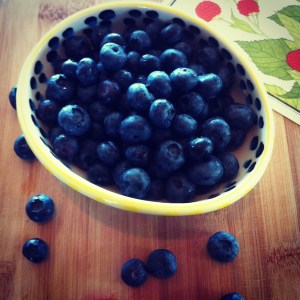
Fresh in season from the farmers’ market are summer blueberries.  These dark blue polka dots burst into a flavor explosion of blueberry heaven, when you bite into them.  And they come with benefits too.

Blueberries are a super food filled with nutrients that strengthen the immune system, improve memory, promote heart health, and offer a generous dose of antioxidants that help to slow down the aging process.  Yes please!

The possibilities for how to enjoy blueberries are limitless.  A  kid-friendly treat, snacking fresh from the container makes them a healthy fast food.  Sprinkle in cereal, salads, or smoothies, add blueberries to baked goods, or toss them into a sauce pan to make a topping. To celebrate the summer berry season, try this family-friendly recipe for Blue Corn Blueberry Pancakes.

Food Memory

When Marcel Proust dipped his madeleine into his cup of tea, a powerful memory from his childhood emerged that led him to write the classic novel, “Remembrance of Things Past.”  Imagine such a table from nostalgic past, set for afternoon tea, bursting with memories, sparked by the delicate flavor of this simple yet elegant, shell-shaped cake. A modern twist on a classic, here is my recipe for Lemon Olive Oil Madeleines.

Still Life

Asparagus, Dinosaur Kale, Red Onion
By: Fifth Grade Cooking Class Student


There is beauty in every moment.  If we simply slow down to notice the world around us, we can find inner beauty in ordinary objects, and the still life treasure will unfold like a flower petal blooming.

Celebrate Legumes!

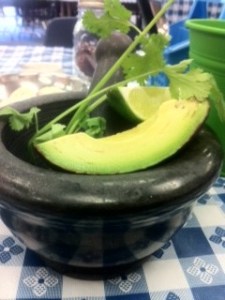
The cooking classroom prepares for the Cinco De Mayo celebration with black bean tacos. Students roll fresh masa between excited fingers and use wooden tortilla presses to make home-made tortillas. It’s fun to mash guacamole in a molcajete and shake sweet red onion pickles like maracas in old-fashioned mason jars!


The New American Classroom: Farm-To-School Cooking

By Carrie Fehr

As we have become distant with our relationship to food, cooking at school offers children the opportunity to experience food in a completely new way, weighing each word, measuring each ingredient— it captivates all of their senses and highlights the love of food that nourishes the body, soothes the heart, and stimulates the mind while connecting them to the source.  Cooking in the classroom provide schools with a new opportunity, a new responsibility to play a leading role, of participating in shaping a healthy future that our children will inherit.

The following excerpt is about a day in the life of cooking in the classroom at The Berkeley Unified School District, where the lesson spotlights the Harvest of Greens.                                                                                                                        

Love is Greens: Since Valentine’s Day is celebrated during the same month as the Harvest of Greens cooking class, we share our feelings of love and how it relates to our nature’s bounty, which is a natural and perfect springboard into our lesson, Love is Greens!

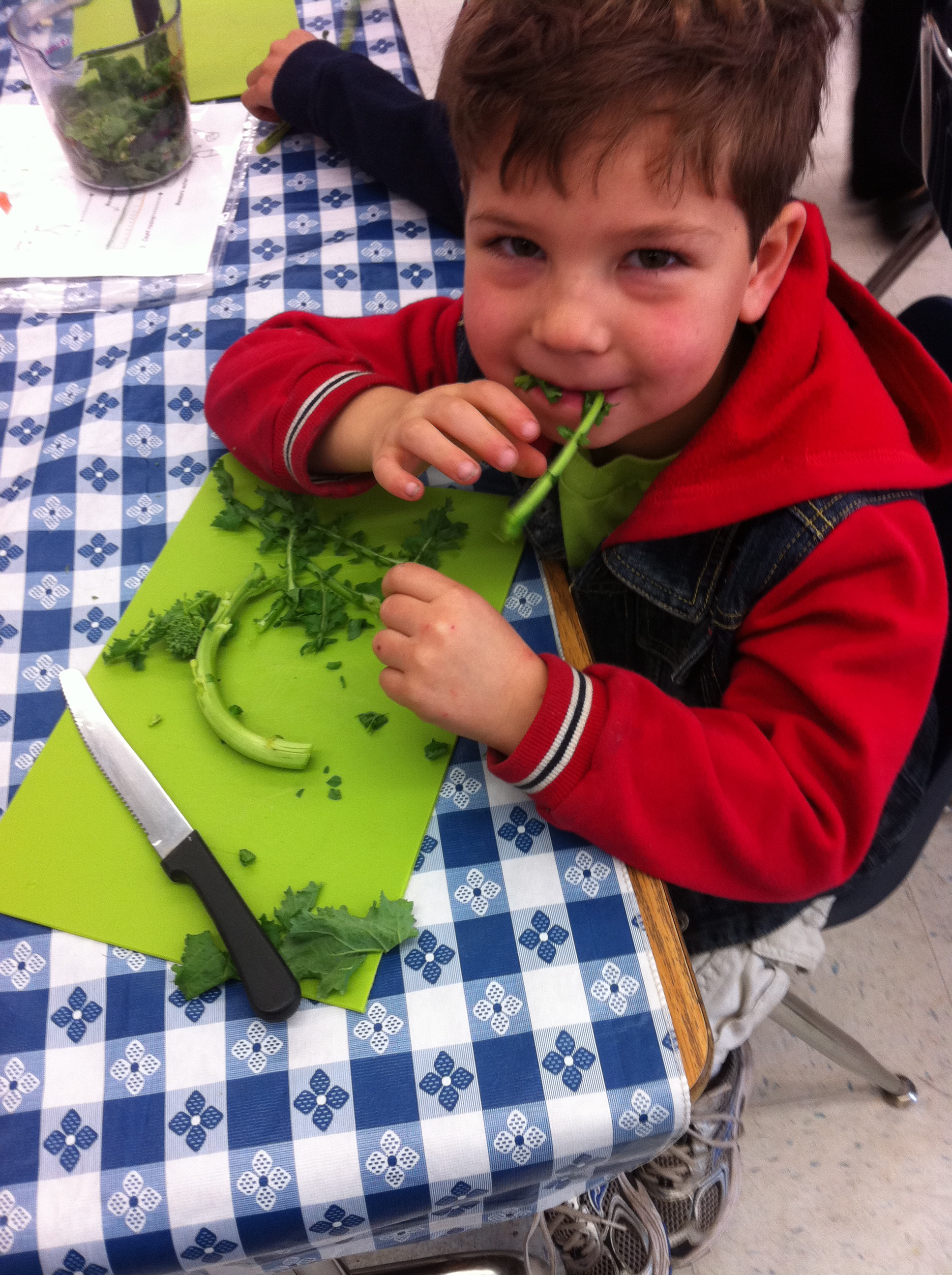
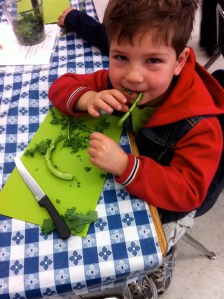
Setting the Stage:  The culinary stage is set with table arrangements of tools, measurements, colorful mats, and mason jar centerpieces filled with harvest greens, which look like a still life against the backdrop of blue-and-white checkered bistro tablecloths illuminated from the sunlight that pours into the room like honey, transforming a bland space into a vibrant cooking lab.  The drama of the table setting announces the cooking adventure, and students dance with excitement into the classroom.

The Symphony:  The elements of cooking, math, and science come together like a beautiful symphony, with each section keeping tempo and harmonizing with the next. Beginning with the rhythmic staccato of chopping garlic against the cutting board, followed by the smooth rolling movement of knives slicing long cylinders of leafy greens that squeak, when very fresh. Students dangle thin ribbons of chard between excited fingers, placing them along the edge of their rulers, admiring each strand as though it was a special star before recording the longest and shortest measurement on a notepad. The grand finale erupts when a round of applause from the skillet of sizzling greens piled high like Mt. Everest, reach its crescendo that make students, jump! “Steam.“ “Evaporation.” “It’s Shrinking,” are a few of the excited responses students shout with joy.  And then softly like a distant murmur that melts into silence, an unspoken signal to all, it is time to enjoy the fruits of our labor, in the recipe, Mac N’ Greens.

Silver Lining:  Mac N’ Greens formerly known as, The Pasta and Greens Recipe, morphed into a little jewel, due to an unfortunate circumstance. The supermarket where I grocery shop, was sold out of my pasta of choice, and as a result, I settled on elbow macaroni. When I arrived to cooking class with the macaroni, my student’s eyes poured over with excitement and cheered in unison, “Yes, we’re making Mac N’ Cheese,” the idea stuck and I re-named it, Mac N’ Greens, a kid-friendlier version, which was an instant success.  I like the ease of preparation of this recipe it’s healthy with inexpensive ingredients and tasty!  Greens are a nutritional powerhouse too, mix and match for a contrast of flavors and textures, Collards, Chard, Kale, or add a little Broccoli Rabe for good measure. To make a creamier version, try some grated sharp cheddar cheese, and for a little crunch, top it with toasted breadcrumbs.

The Recipe: http://kidseatingright.com/recipes-5/mac-n-greens/

Carrie Fehr begins her twelfth year as Chef Teacher for the cooking & gardening program in the Berkeley Unified School District. When not teaching or writing on her food blog, http://www.carriefehr.com.  Carrie practices Bikram yoga, and devotes many hours to cycling.  She is an advocate for school food reform and is working on a book about her cooking lessons learned from the classroom.  The New American Classroom:  Farm-To-School Cooking In Berkeley was  featured in Fedupwithlunch.com
Root For Beets!

The beet is the melancholy vegetable, the one most willing to suffer. You can’t squeeze blood out of a turnip…—Tom Robbins, Jitterbug Perfume

Fun facts about root vegetables ignite sparks all around the cooking room, with an atmosphere that becomes electric as students discover the magic of sweet beets, a vegetable, by no means is fancy, and is often misunderstood.  Slices of roasted beets fanned across a white plate, accented by a single carrot, fresh from the ground, is a visual study on contrast that makes our eyes pop from the deep intense purple that looks like it is dripping paint.  Students dance with excitement as they prepare a tasting plate of raw carrot with its long leafy stem, next to thin petals of tender honeyed beets that look translucent.  For a preview of next week’s recipe created for the Science of Cooking Series, please click here.

Winter Greens

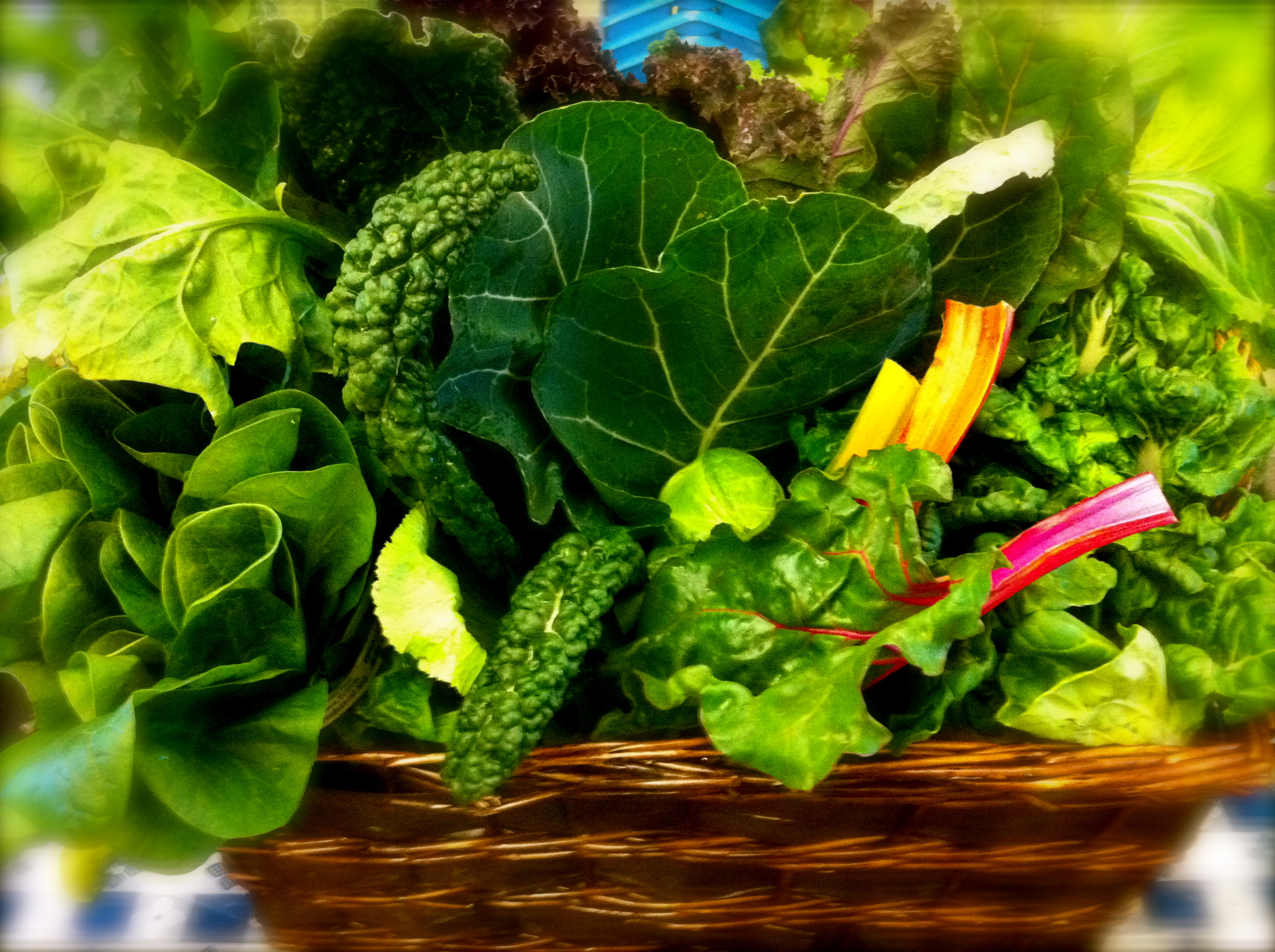
IMG_0878Love is Green:  From the wildly diverse Brassica clan, to the vast palette of mustards, cabbages, and leafy greens, our harvest yield this month is overflowing with a cornucopia of Winter Greens that is so compelling, it draws students into cooking class like a magnet.  Since Valentine’s Day is around the corner, it is an auspicious time to share our feelings of love and how it relates to our nature’s bounty.  Our opening question begins with, “What color is love?”  “Red, purple, pink, even black,” are a few of the excited responses from students, and quickly we learn that love can have different meanings.  It should come as no surprise to anyone, that I am, in fact, deeply enamored with Winter Greens, and so quite predictably, the color of love to me, means green, which is a natural and perfect springboard into our lesson— Love is Greens.

Greens get its due. Highlights to our lesson lead off with the waxy broad leaf Collard Green, once considered a poor man’s food, have tufted rosettes of leaves supported by a sturdy upright stem which can grow up to 4 feet, is in sharp contrast to the colorful stems of the gorgeous Rainbow Chard that make it remarkable and as true to its namesake, and undeniably rules as the beauty queen of greens!  Dinosaur Kale with its deeply ridged green leaves is a jewel of nutrition that is unusually rich in nutrients and regarded as a super food.  And not to be outdone, Broccoli Rabe with its feathery leaves, clustered flower buds, and nutty-bitter nuances, pairs nicely as a counterbalance of flavor in a mixed bunch of greens — is arguably the best topping on pizza, ever.  Students enjoy preparing the featured Collard Greens, Rainbow Chard, Dinosaur Kale, and Broccoli Rabe in this Mac N’ Greens recipe.

The Science of Cooking: Citrus Rocks


IMG_0826“If we look deeply into a flower, what do we see? Sunshine, a cloud, earth, minerals, the gardener, the complete cosmos.”-Thich Nhat Hanh

Citrus Rocks:  Citrus rocks the Science of Cooking Class where fourth grade Chef Scientists explore the link between minerals that originate in the soil, to the unique role it plays on the human diet, along with a little citrus history, some fun anecdotes, and a healthy recipe.

Citrus Love: With its sheer variety and profusion of colors, citrus fruit esteemed in many cultures as a symbol of happiness — is not hard to love. Even though many citrus fruits are common, there are a few lesser known examples in our harvest basket that stand out. From the wild-looking, yet extremely fragrant Buddha’s hand, to the tiny oval kumquat with its sweet rind and intense tart pulp — make our lips pucker, to the bowling-ball sized pomelo that hangs on trees spanning across the landscape to an impressive 50 feet high.  The citrus harvest basket is brimming with diverse learning opportunities that weave together lessons about folklore, health, environment, and more.  It imparts a sense of wonder and appreciation that inspires students to retell the citrus anecdotes from memory throughout the year.  Retelling a story is a valuable sequencing skill that supports reading comprehension and writing skills in the classroom, and is notable, since cooking classes only meet one hour a month, and in some cases, less than that.

Good to the Bone:  As we turn our spotlight over to the science lab, fourth graders  discover that minerals come from the earth, and humans absorb these minerals through the plants they eat.  As scientists, they explore the nutrients in citrus fruit, and learn that aside from the immune boosting benefits of Vitamin C, it is chock-full of minerals that help our bones, teeth, and muscles, to name a few.  And last but not least, folate, a nutrient that improves mood by raising the serotonin levels in our body, can help explain why we feel so good after eating citrus fruit.

Getting Pithy:  One of the many virtues of citrus is the entire fruit is usable– the pulp, the juice, and aromatic peel, complete as nature intended, and as it turns out, is the perfect ingredient for the recipe– Fruit Roll Ups.  Click here for the link to the recipe.  Student chefs put their cooking skills into action using four colorful varieties of citrus fruit– the Cara Cara, Moro Blood, and Navel Oranges, along with the Satsuma Mandarin. As they section, slice, zest, peel, and juice, their way through the recipe, our excited chefs discover after eating the soft pulp leftover from juicing, that the hollowed out navel orange morphs into a drinking cup!  Finally, we mix and match citrus vocabulary words, like pithy, zesty, and juicy in a citrus acrostic poem, where students create phrases using the concepts they learned from the Science of Cooking Class.  Mindful eating, along with citrus poetry is a great ending to our class.