Carrie Fehr

Kitchen Garden Food

Celebrate Legumes!

The cooking classroom prepares for the Cinco De Mayo celebration with black bean tacos. Students roll fresh masa between excited fingers and use wooden tortilla presses to make home-made tortillas. It’s fun to mash guacamole in a molcajete and shake sweet red onion pickles like maracas in old-fashioned mason jars!


The New American Classroom: Farm-To-School Cooking

By Carrie Fehr

As we have become distant with our relationship to food, cooking at school offers children the opportunity to experience food in a completely new way, weighing each word, measuring each ingredient— it captivates all of their senses and highlights the love of food that nourishes the body, soothes the heart, and stimulates the mind while connecting them to the source.  Cooking in the classroom provide schools with a new opportunity, a new responsibility to play a leading role, of participating in shaping a healthy future that our children will inherit.

The following excerpt is about a day in the life of cooking in the classroom at The Berkeley Unified School District, where the lesson spotlights the Harvest of Greens.                                                                                                                        

Love is Greens: Since Valentine’s Day is celebrated during the same month as the Harvest of Greens cooking class, we share our feelings of love and how it relates to our nature’s bounty, which is a natural and perfect springboard into our lesson, Love is Greens!

Setting the Stage:  The culinary stage is set with table arrangements of tools, measurements, colorful mats, and mason jar centerpieces filled with harvest greens, which look like a still life against the backdrop of blue-and-white checkered bistro tablecloths illuminated from the sunlight that pours into the room like honey, transforming a bland space into a vibrant cooking lab.  The drama of the table setting announces the cooking adventure, and students dance with excitement into the classroom.

The Symphony:  The elements of cooking, math, and science come together like a beautiful symphony, with each section keeping tempo and harmonizing with the next. Beginning with the rhythmic staccato of chopping garlic against the cutting board, followed by the smooth rolling movement of knives slicing long cylinders of leafy greens that squeak, when very fresh. Students dangle thin ribbons of chard between excited fingers, placing them along the edge of their rulers, admiring each strand as though it was a special star before recording the longest and shortest measurement on a notepad. The grand finale erupts when a round of applause from the skillet of sizzling greens piled high like Mt. Everest, reach its crescendo that make students, jump! “Steam.“ “Evaporation.” “It’s Shrinking,” are a few of the excited responses students shout with joy.  And then softly like a distant murmur that melts into silence, an unspoken signal to all, it is time to enjoy the fruits of our labor, in the recipe, Mac N’ Greens.

Silver Lining:  Mac N’ Greens formerly known as, The Pasta and Greens Recipe, morphed into a little jewel, due to an unfortunate circumstance. The supermarket where I grocery shop, was sold out of my pasta of choice, and as a result, I settled on elbow macaroni. When I arrived to cooking class with the macaroni, my student’s eyes poured over with excitement and cheered in unison, “Yes, we’re making Mac N’ Cheese,” the idea stuck and I re-named it, Mac N’ Greens, a kid-friendlier version, which was an instant success.  I like the ease of preparation of this recipe it’s healthy with inexpensive ingredients and tasty!  Greens are a nutritional powerhouse too, mix and match for a contrast of flavors and textures, Collards, Chard, Kale, or add a little Broccoli Rabe for good measure. To make a creamier version, try some grated sharp cheddar cheese, and for a little crunch, top it with toasted breadcrumbs.

The Recipe: http://kidseatingright.com/recipes-5/mac-n-greens/

Carrie Fehr begins her twelfth year as Chef Teacher for the cooking & gardening program in the Berkeley Unified School District. When not teaching or writing on her food blog, http://www.carriefehr.com.  Carrie practices Bikram yoga, and devotes many hours to cycling.  She is an advocate for school food reform and is working on a book about her cooking lessons learned from the classroom.  The New American Classroom:  Farm-To-School Cooking In Berkeley was  featured in Fedupwithlunch.com
Root For Beets!

The beet is the melancholy vegetable, the one most willing to suffer. You can’t squeeze blood out of a turnip…—Tom Robbins, Jitterbug Perfume

Fun facts about root vegetables ignite sparks all around the cooking room, with an atmosphere that becomes electric as students discover the magic of sweet beets, a vegetable, by no means is fancy, and is often misunderstood.  Slices of roasted beets fanned across a white plate, accented by a single carrot, fresh from the ground, is a visual study on contrast that makes our eyes pop from the deep intense purple that looks like it is dripping paint.  Students dance with excitement as they prepare a tasting plate of raw carrot with its long leafy stem, next to thin petals of tender honeyed beets that look translucent.  For a preview of next week’s recipe created for the Science of Cooking Series, please click here.

Winter Greens

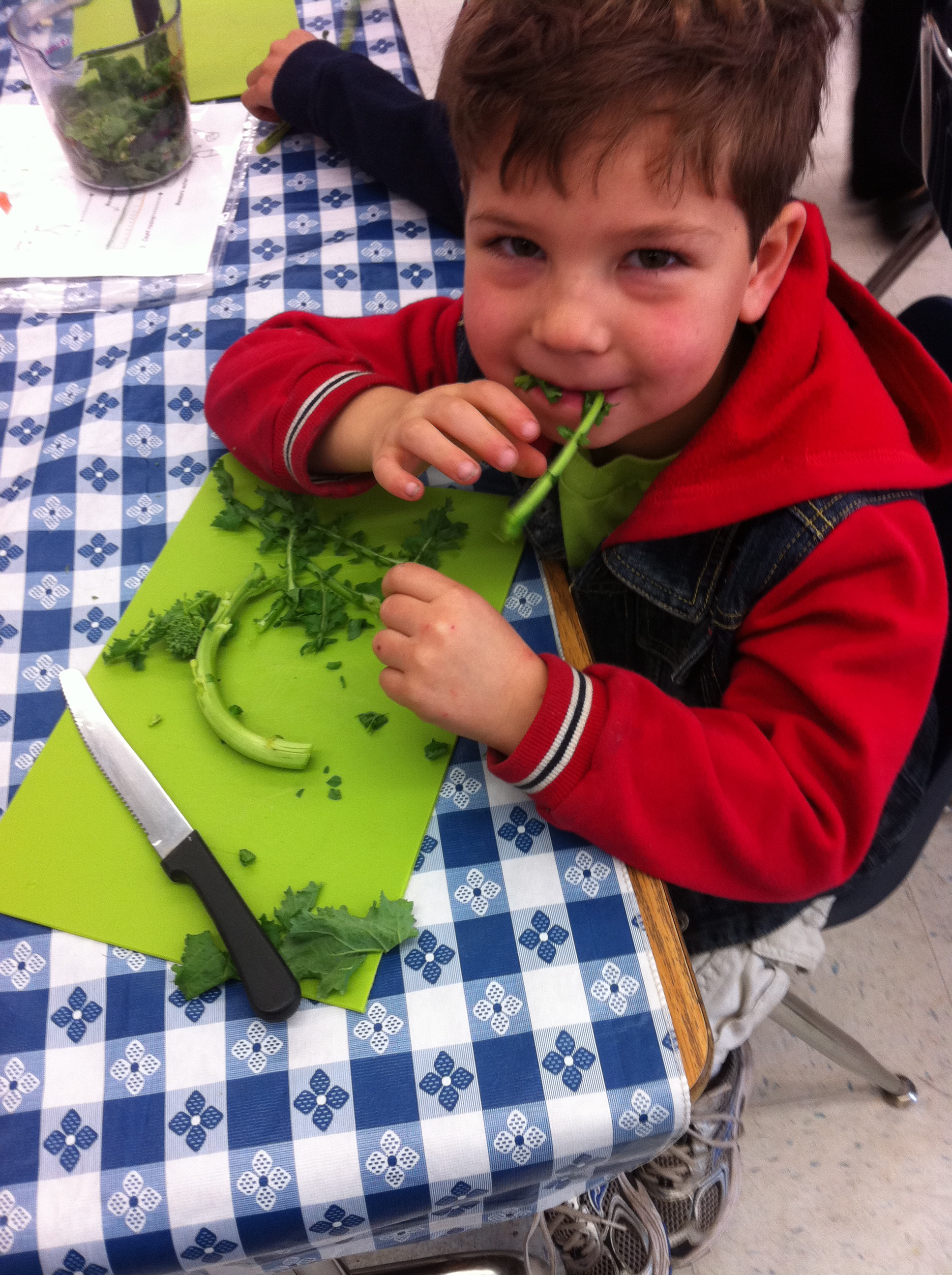
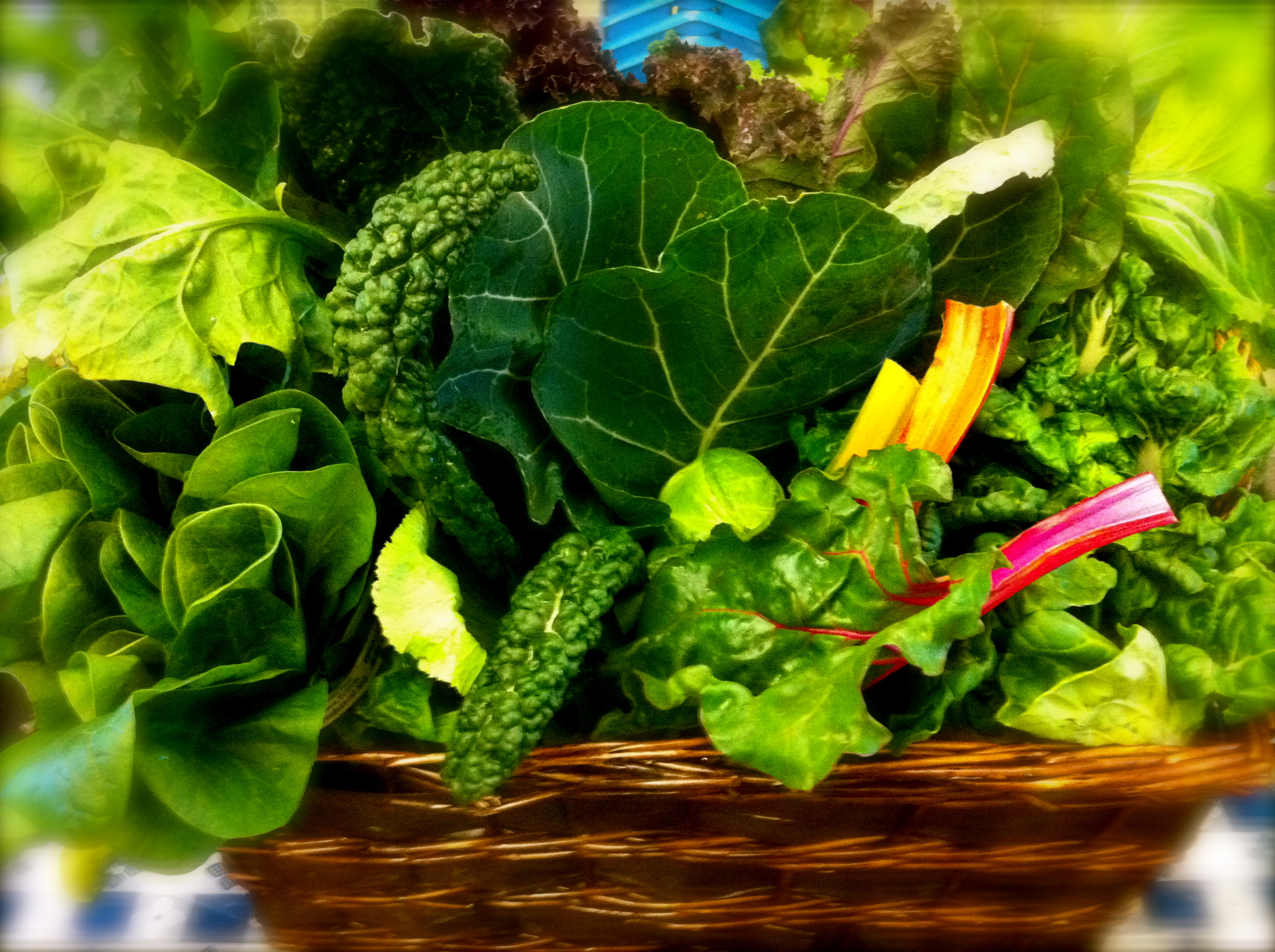
IMG_0878Love is Green:  From the wildly diverse Brassica clan, to the vast palette of mustards, cabbages, and leafy greens, our harvest yield this month is overflowing with a cornucopia of Winter Greens that is so compelling, it draws students into cooking class like a magnet.  Since Valentine’s Day is around the corner, it is an auspicious time to share our feelings of love and how it relates to our nature’s bounty.  Our opening question begins with, “What color is love?”  “Red, purple, pink, even black,” are a few of the excited responses from students, and quickly we learn that love can have different meanings.  It should come as no surprise to anyone, that I am, in fact, deeply enamored with Winter Greens, and so quite predictably, the color of love to me, means green, which is a natural and perfect springboard into our lesson— Love is Greens.

Greens get its due. Highlights to our lesson lead off with the waxy broad leaf Collard Green, once considered a poor man’s food, have tufted rosettes of leaves supported by a sturdy upright stem which can grow up to 4 feet, is in sharp contrast to the colorful stems of the gorgeous Rainbow Chard that make it remarkable and as true to its namesake, and undeniably rules as the beauty queen of greens!  Dinosaur Kale with its deeply ridged green leaves is a jewel of nutrition that is unusually rich in nutrients and regarded as a super food.  And not to be outdone, Broccoli Rabe with its feathery leaves, clustered flower buds, and nutty-bitter nuances, pairs nicely as a counterbalance of flavor in a mixed bunch of greens — is arguably the best topping on pizza, ever.  Students enjoy preparing the featured Collard Greens, Rainbow Chard, Dinosaur Kale, and Broccoli Rabe in this Mac N’ Greens recipe.

The Science of Cooking: Citrus Rocks


IMG_0826“If we look deeply into a flower, what do we see? Sunshine, a cloud, earth, minerals, the gardener, the complete cosmos.”-Thich Nhat Hanh

Citrus Rocks:  Citrus rocks the Science of Cooking Class where fourth grade Chef Scientists explore the link between minerals that originate in the soil, to the unique role it plays on the human diet, along with a little citrus history, some fun anecdotes, and a healthy recipe.

Citrus Love: With its sheer variety and profusion of colors, citrus fruit esteemed in many cultures as a symbol of happiness — is not hard to love. Even though many citrus fruits are common, there are a few lesser known examples in our harvest basket that stand out. From the wild-looking, yet extremely fragrant Buddha’s hand, to the tiny oval kumquat with its sweet rind and intense tart pulp — make our lips pucker, to the bowling-ball sized pomelo that hangs on trees spanning across the landscape to an impressive 50 feet high.  The citrus harvest basket is brimming with diverse learning opportunities that weave together lessons about folklore, health, environment, and more.  It imparts a sense of wonder and appreciation that inspires students to retell the citrus anecdotes from memory throughout the year.  Retelling a story is a valuable sequencing skill that supports reading comprehension and writing skills in the classroom, and is notable, since cooking classes only meet one hour a month, and in some cases, less than that.

Good to the Bone:  As we turn our spotlight over to the science lab, fourth graders  discover that minerals come from the earth, and humans absorb these minerals through the plants they eat.  As scientists, they explore the nutrients in citrus fruit, and learn that aside from the immune boosting benefits of Vitamin C, it is chock-full of minerals that help our bones, teeth, and muscles, to name a few.  And last but not least, folate, a nutrient that improves mood by raising the serotonin levels in our body, can help explain why we feel so good after eating citrus fruit.

Getting Pithy:  One of the many virtues of citrus is the entire fruit is usable– the pulp, the juice, and aromatic peel, complete as nature intended, and as it turns out, is the perfect ingredient for the recipe– Fruit Roll Ups.  Click here for the link to the recipe.  Student chefs put their cooking skills into action using four colorful varieties of citrus fruit– the Cara Cara, Moro Blood, and Navel Oranges, along with the Satsuma Mandarin. As they section, slice, zest, peel, and juice, their way through the recipe, our excited chefs discover after eating the soft pulp leftover from juicing, that the hollowed out navel orange morphs into a drinking cup!  Finally, we mix and match citrus vocabulary words, like pithy, zesty, and juicy in a citrus acrostic poem, where students create phrases using the concepts they learned from the Science of Cooking Class.  Mindful eating, along with citrus poetry is a great ending to our class.

Meditation On A Citrus Fruit

The cheerful colors, fragrance and sweet taste of seasonal citrus fruit, bring a burst of sunshine in the middle of winter that enliven our senses, as we welcome the New Year with positive energy.

To celebrate the citrus harvest, students begin cooking classes with a time-honored tradition of meditating on a satsuma mandarin orange.  Through mindful eating practices, students learn how to awaken a deeper appreciation of the food they eat, and become more conscious of the connection it has to their health and environment.  As we pause and refresh our breath, we close our eyes, and savor the beauty of the mandarin, with gratitude for its nourishment, and its sweet nectar that embrace all our senses.  And with the knowledge that it belongs to a greater whole—the land, sun, and sky—we fully appreciate the splendor of this gift of nature, in this precious moment of calm and stillness.

Berkeley Schools: A Sustainable Food Model

By Carrie Fehr

Imagine a school that serves up healthy cafeteria food sourced by local farms, respects the environment, supports garden and cooking education in the classroom, and makes a positive difference in the community.

The Berkeley Unified School District, a national model for school food reform, exemplifies such a commitment to its students, and understands the important role it has in promoting health, sustainable agriculture, and environmental restoration.

It is no surprise that Berkeley is home to visionary chef Alice Waters, who has long championed the benefits of eating seasonally, and also helped provide a grant from her Chez Panisse Foundation, to hire Ann Cooper, aka Renegade Lunch Lady, to improve the quality of the school food, district wide several years ago. Since the overhaul to food services, some of the benefits to the schools include– universal breakfast, salad bars, cooking class recipes that link to the cafeteria, along with a take-home calendar, featuring healthy recipes that kids prepare at school.

But even though there are significant changes to the school food, the heart of the programs rely on the cooking and gardening education classes that link to core subjects in the classroom, and provide students with hands-on learning opportunities about food, the environment, and nutrition.  It makes a huge difference when kids are actively involved in the farm to table process, both in the cafeteria and at home– if they grow, cook, and learn about it, they will be willing to try it and discover that healthy food tastes good.

To reinforce the vital link food has to our health, it is important to recognize the valuable relationship between local farms and the food we serve at school, to the way we treat our environment, and its impact on how we teach our children about food, and their health.

And as a nation, we have a social responsibility to take steps to improve the health of our children, with learning opportunities that begin at school.

This post appeared on the Fedupwithlunch guest blog at: http://fedupwithlunch.com/category/happening-now/guest-blogs/

Carrie Fehr begins her twelfth year as Chef Teacher for the cooking & gardening program in the Berkeley Unified School District.  She has developed an expansive repertoire of cooking lessons that skillfully integrate core academic subjects, culinary concepts, and nutrition education. The cooking classroom is a perfect match for Carrie’s love and passion for teaching children.  Her goal is to bring a positive emotional connection to healthy food and to instill an appreciation of wellbeing for every student, that will be accessible lifelong.

Carrie is available for consulting please contact her at carriefehr@gmail.com or visit her blog http://www.kidseatingright.wordpress.com or on twitter at http://twitter.com/CarrieFehr

2011 Highlights: The Short List

As the year comes to a close, it gives me an opportunity to reflect on the memorable highlights– beginning with favorite meals, of course!  Here is my short list for 2011:

Lunch at Old Ebbitt Grill across from the White House in  DC                           www.ebbitt.com

Dinner at Momo Sushi Shack in Brooklyn, New York                                                           http://momosushishack.com

Still Love the Pizza at Pizzaiolo, Oakland                                            www.pizzaiolooakland.com

Needs No Introduction– Sandwiches from The Local Butcher Shop in Berkeley www.thelocalbutchershop.com

Aprés Yoga– Miso Soup from Kirala To Go, Berkeley                           www.kiralaberkeley.com

The Art of Carving a Turkey thanks to Youtube!                               www.youtube.com/watch?v=5GCdkuQoLrY

Beam Me Up with Electrolytes from The Science of Cooking  kidseatingright.wordpress.com/2011/11/19/the-science-of-cooking

Thanksgiving Baking Session: Persimmon Pudding, Ginger Cake, and Pink Lady Apple-Frangipane Galettes, with my co-worker Patty, email me for the recipes! carriefehr@gmail.com

Yay for Social Media—Twitter                                                                     twitter.com/CarrieFehr

Let’s Hear it for School Food Blogging                                         www.kidseatingright.wordpress.com

And a Drum Roll Please–For Therapy Dog Training a Chocolate Labrador Named Rocky   kidseatingright.wordpress.com/in-the-classroom-2

The Soul Of Ancient Grains

By Carrie Fehr

Inspired by a 3rd grade student who raises an important philosophical question when she asks, “Do whole grains have souls?”

Throughout history, ancient cultures have regarded grains as a sacred food, like medicine for the soul, it symbolized the essence of their spirituality that meant more than just sustenance, but also helped shape and influence their daily culinary, ritual, and spiritual practice.

Ancient grains tell stories about past civilizations that offer insights into their traditions and cultural values that were important to their life. Quinoa, the legendary grain of the Incas, was known to sustain the body with endurance and to increase deeper spiritual powers through meditation, and with respect, it was honored as the “mother grain.” Aztecs highly valued amaranth as “the food of the gods,” and for its supernatural health properties that was central to their spiritual rituals.  In the Hindu culture, grains played a role in important rite of passage ceremonies beginning with the ritual of baby’s first solid food, or spiritual food called the “feeding of the grains;” as well as, in weddings and in after life– funerals.

With appreciation for the deeper meaning of ancient grains that was once held sacred, and kept close at heart, I am mindful of my student, and her profound sense of curiosity to express a question the great philosopher, Socrates might ask– Do whole grains have a soul?

The Science Of Food: The Chef And The Scientist

Teaching science through the lens of cooking encourages students to understand the valuable connection between a chef and scientist, and offers a rich stew of inquiry-based science lessons that reinforces the vital role food plays in our health.

The Lesson:  In the science of cooking lesson, fifth graders explore the relationship of cellular respiration, a process about how cells extract energy from food– and its impact on our health.  In the concept of cellular respiration, students learn that the human body uses sugar glucose as a main source of energy, and when combined with oxygen, it will release that energy.  For example, eating simple carbohydrates, will offer a quick boost of energy, but the excess glucose (energy) will convert into fat, also increasing the risk for developing diabetes, high blood pressure, and obesity, an epidemic that according to experts affects one out of three children and teens.  Eating foods rich in complex carbohydrates like fruits, vegetables, and whole grains, will breakdown the glucose more slowly, process the energy more efficiently,  and will help  lower the risk for getting diseases.

The Experiment: To prove the effects of cellular respiration, students investigate three different nutrient sources from the recipe, Three Sisters Succotash aka Corn, Beans, and Squash.  Yeast, a single cell organism that can convert sugar into carbon dioxide, is mixed with each nutrient source, and then sealed inside a plastic bag submerged in a warm water bath.  For comparison purposes, students create a fourth variable that is only sugar.  Students make predictions on what they think will happen between the nutrient sources and the sugar.  Lucky this is the science of cooking class, because students now put on their chef hats and prepare the recipe, Three Sisters Succotash, while waiting on the outcome of the cellular respiration experiment.

As another epic class concludes, the results of the experiment confirm that sugar processes energy the fastest, but yet the message is clear:  slow and steady, corn, beans, and squash will win the race, the marathon of all–good health.