Carrie Fehr

Kitchen Garden Food

The Science Of Food: The Chef And The Scientist

Teaching science through the lens of cooking encourages students to understand the valuable connection between a chef and scientist, and offers a rich stew of inquiry-based science lessons that reinforces the vital role food plays in our health.

The Lesson:  In the science of cooking lesson, fifth graders explore the relationship of cellular respiration, a process about how cells extract energy from food– and its impact on our health.  In the concept of cellular respiration, students learn that the human body uses sugar glucose as a main source of energy, and when combined with oxygen, it will release that energy.  For example, eating simple carbohydrates, will offer a quick boost of energy, but the excess glucose (energy) will convert into fat, also increasing the risk for developing diabetes, high blood pressure, and obesity, an epidemic that according to experts affects one out of three children and teens.  Eating foods rich in complex carbohydrates like fruits, vegetables, and whole grains, will breakdown the glucose more slowly, process the energy more efficiently,  and will help  lower the risk for getting diseases.

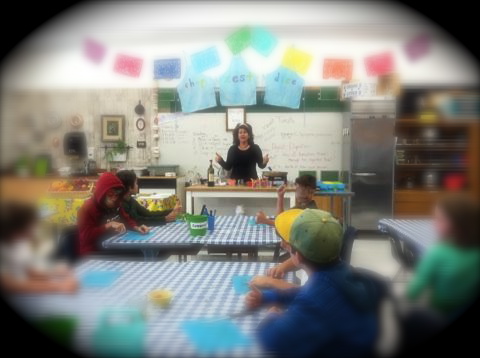
The Experiment: To prove the effects of cellular respiration, students investigate three different nutrient sources from the recipe, Three Sisters Succotash aka Corn, Beans, and Squash.  Yeast, a single cell organism that can convert sugar into carbon dioxide, is mixed with each nutrient source, and then sealed inside a plastic bag submerged in a warm water bath.  For comparison purposes, students create a fourth variable that is only sugar.  Students make predictions on what they think will happen between the nutrient sources and the sugar.  Lucky this is the science of cooking class, because students now put on their chef hats and prepare the recipe, Three Sisters Succotash, while waiting on the outcome of the cellular respiration experiment.

As another epic class concludes, the results of the experiment confirm that sugar processes energy the fastest, but yet the message is clear:  slow and steady, corn, beans, and squash will win the race, the marathon of all–good health.


The Art Of Storytelling: Connecting Literacy in the Cooking Classroom

IMG_0658 In cooking class, students discover the historical significance of the Three Sisters–corn, beans, and squash, and their important relationship to each other in the garden through the art of storytelling.  Storytelling is a fun and meaningful teaching technique that not only supports literacy efforts in the classroom, but also allows students to apply their knowledge into a different context of learning.  It benefits students of all learning styles, encourages imagination, and develops their listening skills.  Additionally, the story helps to reinforce a positive attitude towards healthy food, since the underlying theme skillfully integrates the nutritional benefits of the Three Sisters, along with a cooking lab activity that follows.


The Science of Cooking

The idea behind the Science of Cooking Class took shape when two teachers, one part science, and one part cooking, decided to team up and collaborate on a new and exciting approach to teaching science concepts through food, and as a result, The Science of Cooking Class came about.

Each Science of Cooking Class focuses on a nutrition lesson, a cooking lab activity, and a science concept. Students gain practical knowledge and skills by exploring the scientific components of each lesson. A study in the November/December 2011 issue of the Journal of Nutrition Education and Behavior shows how cooking in the classroom successfully helps students learn school subjects and develop cooking skills. Even at the higher educational level, the benefits and importance of combining cooking with an academic subject have become clear.

At Harvard University, the administration encouraged their faculty to create new ideas for courses that connect classrooms to the “life outside,” an experiential approach that students embrace. Offering a course on, The Science of the Physical Universe, Cooking and Science, proved extremely successful at Harvard’s School of Engineering and Applied Sciences. “This course may accomplish what I’ve been trying to do for so many years — make physics interesting, ’’ said David Weitz, Harvard professor of physics and applied physics, who led the course. (Boston Globe, 10/10) “I spent all my life in academia trying to teach physics… Weitz said. “And for the first time students were interested. They wanted to learn—they enjoyed it.” (Harvard Crimson, 12/10/10)

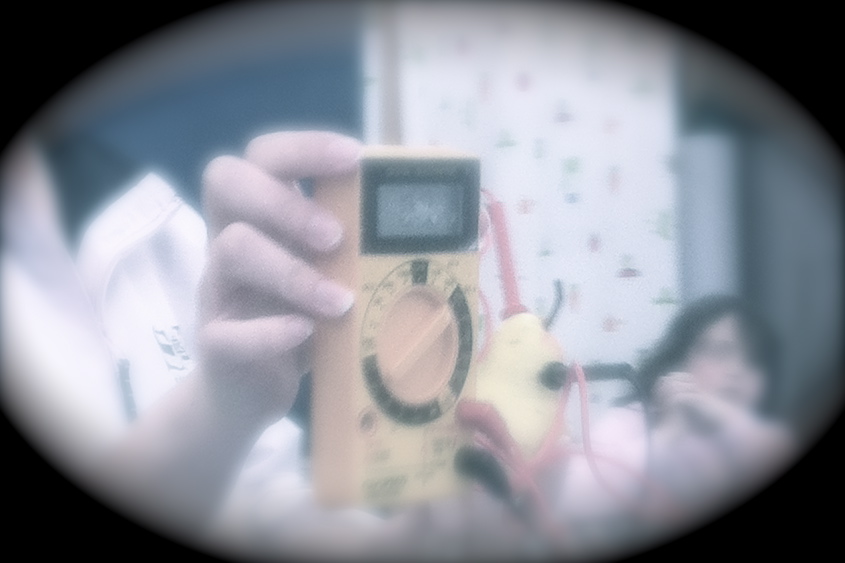
This month, the featured topic in the Science of Cooking Class for fourth graders, focused on how the electrolytes from a pear play a key role in sending signals to our muscles, brain, and heart. To illustrate the point, we showed how a pear uses its electrolytes to conduct an electrical charge from two different metals to make an electrical circuit, highlighting a science lesson on magnetism and electricity.

Beyond exposing students to the connections that underlie these two subjects, it also creates another dialogue for supporting greater collaboration between teachers of different subjects at school. Plus, the value of integrating science with cooking and how it relates in the classroom offers students both practical skills and conceptual tools that will serve them well in life.

The Mathematics of Cooking

The cooking classroom is a perfect learning environment for students to see their academic lessons come to life.  Students develop cooking skills while connecting core academic subjects with healthy food.  It allows students to practice important concepts through hands-on cooking activities focused on math, science, or language arts.

In cooking class, students apply their math skills as they combine ingredients for a recipe using a variety of measuring tools. The ingredients in a recipe have an important relationship to each other that is similar to concepts in math, and as a result, in math, equations express those relationships.  In the recipe, Honey Oat Topping, students learn there are different ways to express the same units of measurements using the concept of cooking equivalents, equal but different such as 3 teaspoons = 1 tablespoon, or 1/4 teaspoon = 1 pinch.                 

Local Tree Fruits!

The Tomato Bounty Is In Full Harvest…


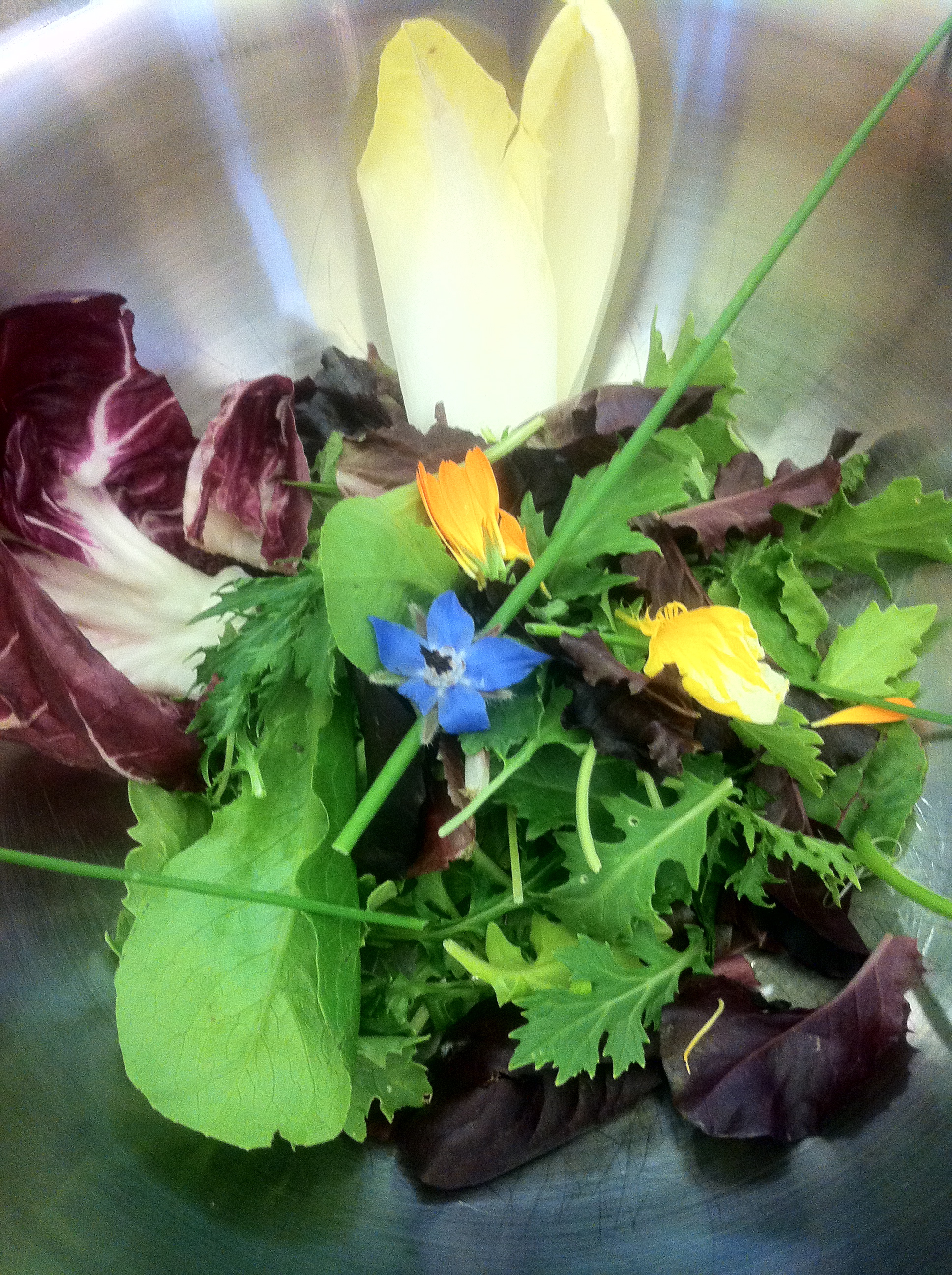
May Brings Salad Greens!


                                                 Harvesting a variety of salad greens from our garden box.

April Is Legumes Month

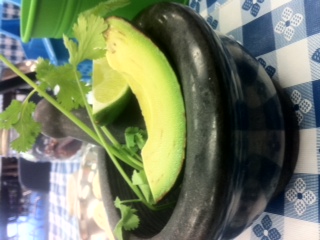
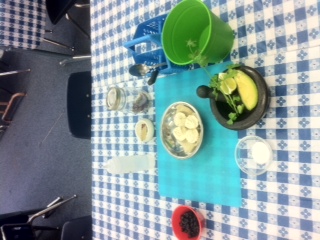
The cooking classroom comes alive as we celebrate legumes with black bean tacos.  We roll fresh masa dough between our hands and use wooden tortilla presses to make home-made tortillas. Students have fun mashing guacamole with a mortar and pestle and shaking sweet red onion pickles like maracas in old fashioned mason jars!

Hello!

Welcome to our cooking classroom blog.  Stay tuned for upcoming posts!