The Soul Of Ancient Grains
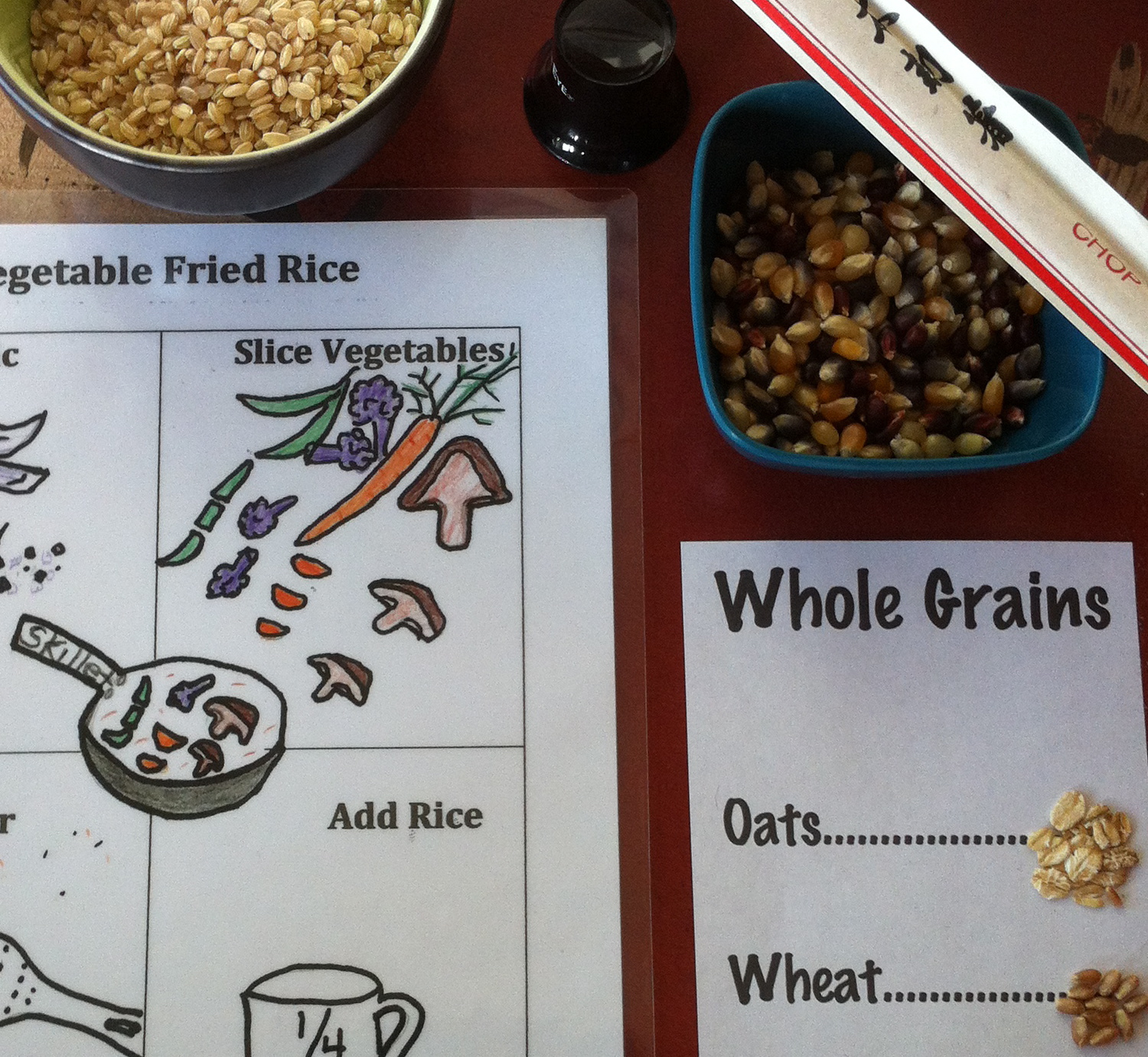
Inspired by a 3rd grade student who raises an important philosophical question when she asks, “Do whole grains have souls?”
Throughout history, ancient cultures have regarded grains as sacred food, like medicine for the soul; they symbolized the essence of their spirituality, meaning more than just sustenance. Grains played a significant role in shaping and influencing daily culinary, ritual, and spiritual practices.
Ancient grains tell stories about past civilizations, offering insights into the traditions and cultural values that were important to their lives. Quinoa, the legendary grain of the Incas, was believed to sustain the body, strengthen endurance, and deepen spiritual power through meditation; with respect, it was honored as the “mother grain.” Aztecs highly valued amaranth as “the food of the gods” for its supernatural health properties, which were central to their spiritual rituals. In Hindu culture, grains played a role in important rites of passage, ceremonies beginning with the ritual of a baby’s first solid food, or spiritual food called the “feeding of the grains,” and continuing in weddings and the afterlife– funerals.
Appreciating the deeper meaning of ancient grains once held sacred and kept close to the heart, I am mindful of my student and her precocious, curious question that a philosopher like Socrates might pose: Do whole grains have a soul?

